|
Effective Interpretation of Archeological Resources
With
archeological resources, effective interpretation
involves two steps:
-
The systematic
interpretation of archeological evidence by
archeologists to reach scientifically valid,
defensible conclusions, and
-
The
interpretation of the results to the
public in an informative, educational, and more
readily understood manner.
With both steps
appropriately accomplished, interpretation of
archeological resources then provides visitors the
opportunity to make intellectual and emotional
connections to those resources. These connections serve
to promote a sense of stewardship.
Other issues for public
interpreters to consider concern the unique nature of
archeology. These issues include
 |
Special legislation regarding archeological sites,
artifacts, and research; |
|
|
The
fragility and finite number of archeological sites;
and |
|
|
Considerations of cultural sensitivity |
 These
special issues figure into most, if not all,
archeological sites in one manner or another. These
special issues figure into most, if not all,
archeological sites in one manner or another.
Archeology for Interpreters: Online Training
This online course helps
interpreters learn about archeological methods, how
archeological interpretations are made, and how to
encourage concern for the preservation and protection of
archeological resources. Through this course,
interpreters may gain the basic knowledge needed to
carry out effective interpretation of archeological
resources. This course covers interpreting archeological
resources in all kinds of places, such as national
parks, museums, and the classroom. This course is one of
several additional developmental opportunities available
to NPS interpretive rangers.
This course creates the
opportunity for participants to:
|
|
Learn about archeological methods; |
|
|
Explore how
archeological interpretations are made; |
|
|
Ascribe
meaning to archeological resources; |
|
|
Identify ways
interpretation of archeological resources can
provide opportunities for visitors to make emotional
and intellectual connections to those resources; and |
|
|
Increase
public understanding and concern for the
preservation and protection of archeological
resources. |
Archeological resources
are actively interpreted in hundreds of national parks,
monuments and recreation areas across the nation.
Many parks offer a
variety of ways for visitors to learn about archeology:
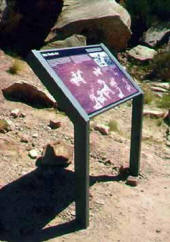
tours, pamphlets, interpretive trails and roadside
displays, films, and book sales in the visitors center.
In most National Parks archeologists are not directly
involved with the public but provide essential
information to the "front-line" interpretive staff who
then convey it to visitors. Less frequently, visitors
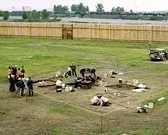
see actual excavation in progress and get to talk to
actual archeologists.
The course provides
examples of how archeological resources may be
effectively interpreted in national parks through web
links and suggested interpretive strategies offered in
the following boxes included throughout the online
guide:
|
|
FOR YOUR INFORMATION |
|
|
CASE STUDY |
|
|
TRY IT YOURSELF |
|
|
FUN FACT |
|
|
USE WHAT YOU KNOW |
This
online course is designed for those who are interested
in or need to learn more about interpreting
archeological resources for the public. Since the
National Park Service developed this course,
participants are expected to include the archeologists,
interpreters, cultural resources managers, educators,
planners, museum staff, and other NPS staff who
investigate, interpret, preserve and share with the
public information regarding archeological resources.
This course is primarily
designed for self-motivated learning. The goal is to
increase each participant’s base of knowledge about the
effective interpretation of archeological resources
during repeated visits to the online course. The course
will be updated periodically as relevant new materials
about and methods for effectively interpreting
archeological resources are developed.
|